Mastering The Google Places Rank Checker: A Guide To Enhancing Local SEO
The Google Places Rank Checker is an essential asset for businesses that rely on local search traffic. By allowing users to track their rankings in Google's local search results, this tool provides an in-depth analysis of how a business is positioned compared to its competitors. The insights gained from using a rank checker can guide businesses in optimizing their Google My Business profiles, enhancing their local SEO strategies, and ultimately attracting more customers. The importance of a robust local SEO strategy cannot be overstated, especially in an era where consumers increasingly turn to online searches to find local services.
As we delve into this comprehensive guide, you'll discover the benefits of using a Google Places Rank Checker, how to interpret its results, and strategies to improve your local search rankings. We will explore the various components that influence local SEO, the role of Google My Business, and the impact of customer reviews and ratings. By the end of this article, you'll be equipped with the knowledge and tools necessary to leverage the Google Places Rank Checker to its full potential, thereby enhancing your business's online visibility and success.
Table of Contents
- Understanding the Google Places Rank Checker
- The Importance of Local SEO
- How the Google Places Rank Checker Works
- Optimizing Your Google My Business Profile
- Interpreting Rank Checker Results
- Strategies to Improve Local Rankings
- The Role of Customer Reviews and Ratings
- Tracking Competitor Rankings
- Common Mistakes to Avoid
- Integrating Social Media for Enhanced Visibility
- Using Analytics Tools for Better Insights
- The Future of Local SEO
- Frequently Asked Questions
- Conclusion
- External Resources
Understanding the Google Places Rank Checker
The Google Places Rank Checker is a specialized tool designed to help businesses evaluate their position in Google's local search results. With the increasing reliance on local searches, this tool provides a critical advantage in understanding how a business ranks in comparison to its local competitors. By providing detailed insights into search queries, location-based results, and competitor analysis, the rank checker becomes an invaluable asset for local SEO strategies.
To effectively use the Google Places Rank Checker, businesses must first understand the elements that influence local search rankings. These include the accuracy and completeness of a Google My Business (GMB) profile, the number and quality of customer reviews, the consistency of information across online directories, and the relevance of the business's offerings to the search queries. By analyzing these factors, businesses can identify areas of improvement and make necessary adjustments to enhance their local search performance.
Moreover, the Google Places Rank Checker allows businesses to track changes over time, providing a historical perspective on their local search performance. This capability enables businesses to monitor the impact of their SEO efforts, identify trends, and adjust strategies accordingly. By staying informed about their local ranking status, businesses can make proactive decisions to maintain and improve their visibility in local search results.
The Importance of Local SEO
Local SEO is a critical component of a business's online marketing strategy, particularly for those that rely on local customers. By optimizing for local search, businesses can increase their visibility in search engine results pages (SERPs), attract more traffic to their websites, and ultimately drive more sales. Local SEO involves a range of practices, including optimizing a Google My Business profile, managing online reviews, and ensuring consistency across local directories.
The significance of local SEO is underscored by the growing prevalence of mobile searches, where users often seek immediate information about nearby businesses. With features like "near me" searches gaining popularity, businesses must ensure they are prominently featured in local search results. A strong local SEO strategy not only enhances visibility but also builds trust and credibility with potential customers, as it demonstrates a business's relevance and authority in its local area.
In addition, local SEO provides a competitive edge by enabling businesses to target specific customer segments based on geographic location. By tailoring marketing messages and offerings to local audiences, businesses can create personalized experiences that resonate with their target market. This targeted approach not only increases engagement but also drives higher conversion rates, as customers are more likely to choose businesses that understand and cater to their unique needs.
How the Google Places Rank Checker Works
The Google Places Rank Checker operates by analyzing a business's visibility in local search results. It evaluates various factors that contribute to local rankings, such as the relevance of the business's offerings to search queries, the quality and number of customer reviews, and the consistency of information across online directories. By aggregating this data, the rank checker provides a comprehensive overview of a business's local search performance.
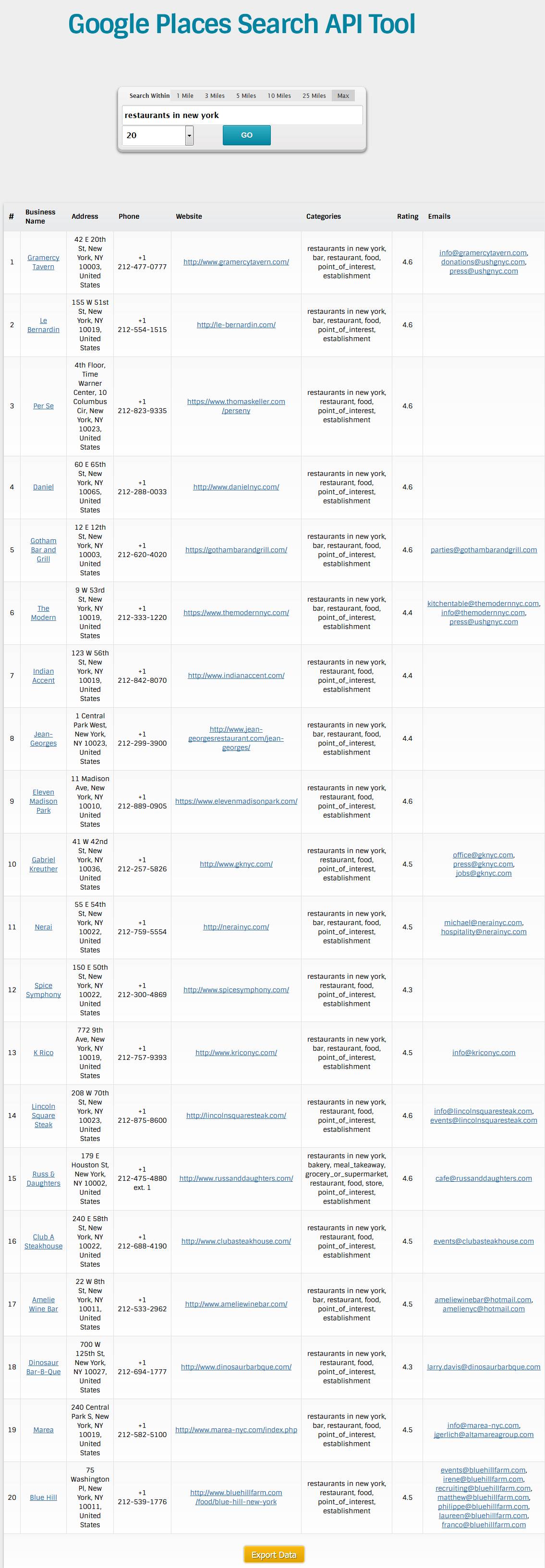
To use the Google Places Rank Checker, businesses must first input their Google My Business profile information and select relevant keywords and locations. The tool then generates a report that highlights the business's position in local search results, as well as areas for improvement. This report serves as a roadmap for businesses to enhance their local SEO strategies, guiding them in optimizing their GMB profiles, managing customer reviews, and ensuring information consistency.
Moreover, the Google Places Rank Checker offers the ability to track changes over time, providing valuable insights into the effectiveness of SEO efforts. By monitoring ranking fluctuations and trends, businesses can identify successful strategies and areas that require additional focus. This ongoing analysis enables businesses to remain agile and responsive to changes in the local search landscape, ensuring they maintain a competitive edge.
Optimizing Your Google My Business Profile
Optimizing a Google My Business (GMB) profile is a crucial step in improving local search rankings. A well-optimized GMB profile not only increases visibility but also enhances credibility and trust among potential customers. To achieve this, businesses must ensure their profiles are complete, accurate, and engaging.
First and foremost, businesses should provide comprehensive information about their offerings, including the business name, address, phone number, website, and hours of operation. Consistency is key, as discrepancies in information can negatively impact rankings. Additionally, businesses should select appropriate categories and add high-quality images that showcase their products or services.
Businesses should also encourage customer reviews and respond to them promptly. Positive reviews boost credibility and influence potential customers' decisions, while negative reviews provide opportunities for improvement. Engaging with customers through reviews demonstrates a commitment to customer satisfaction and fosters positive relationships.
Furthermore, businesses should leverage GMB features such as posts, Q&A, and booking buttons to enhance engagement and provide valuable information to users. By regularly updating their profiles and utilizing these features, businesses can maintain an active presence and remain top-of-mind for local customers.
Interpreting Rank Checker Results
Interpreting the results provided by the Google Places Rank Checker is essential for businesses to make informed decisions about their local SEO strategies. The rank checker provides valuable insights into various aspects of a business's local search performance, including keyword rankings, competitor analysis, and changes over time.
One of the primary metrics to evaluate is keyword rankings. Businesses should assess how their targeted keywords are performing in local search results and identify opportunities to optimize their content for improved rankings. Additionally, analyzing competitor rankings can reveal areas where a business can gain a competitive advantage by addressing gaps in their offerings or marketing strategies.
The rank checker also provides data on changes over time, enabling businesses to track the impact of their SEO efforts. By monitoring these changes, businesses can identify successful strategies and areas that require additional focus. This ongoing analysis ensures that businesses remain responsive to changes in the local search landscape and maintain their competitive edge.
Strategies to Improve Local Rankings
Improving local search rankings requires a multifaceted approach that encompasses various aspects of local SEO. By implementing the following strategies, businesses can enhance their visibility and attract more local customers.
First, businesses should focus on optimizing their Google My Business profiles by providing complete and accurate information, selecting appropriate categories, and adding high-quality images. Consistency across online directories is also crucial, as discrepancies can negatively impact rankings.
Second, businesses should actively manage customer reviews by encouraging positive feedback and responding promptly to negative reviews. Engaging with customers through reviews demonstrates a commitment to customer satisfaction and fosters positive relationships.
Third, businesses should leverage local keywords in their content to improve relevance and visibility in local search results. This includes incorporating location-specific keywords in website content, blog posts, and social media profiles.
Additionally, businesses should build local citations by ensuring their information is consistent across online directories and local business listings. This not only improves visibility but also enhances credibility and trust among potential customers.
The Role of Customer Reviews and Ratings
Customer reviews and ratings play a significant role in local SEO, as they influence both search engine rankings and consumer decision-making. Positive reviews not only boost credibility but also enhance visibility in local search results, as search engines prioritize businesses with strong reputations.
To leverage the power of customer reviews, businesses should actively encourage feedback from satisfied customers and respond promptly to negative reviews. Engaging with customers through reviews demonstrates a commitment to customer satisfaction and fosters positive relationships.
Moreover, businesses should showcase their positive reviews on their websites and social media profiles to build trust and credibility with potential customers. By highlighting positive feedback, businesses can influence consumer decisions and drive higher conversion rates.
Tracking Competitor Rankings
Tracking competitor rankings is a crucial aspect of local SEO, as it provides valuable insights into a business's competitive landscape. By analyzing competitor rankings, businesses can identify areas where they can gain a competitive advantage and address gaps in their offerings or marketing strategies.
The Google Places Rank Checker provides data on competitor rankings, enabling businesses to assess how their local search performance compares to others in their industry. This information can guide businesses in optimizing their local SEO strategies to improve visibility and attract more customers.
Additionally, businesses can use competitor analysis to identify successful strategies and tactics employed by their competitors. By adopting and adapting these strategies, businesses can enhance their local search performance and gain a competitive edge.
Common Mistakes to Avoid
While optimizing for local SEO, businesses must be mindful of common mistakes that can negatively impact their rankings. By avoiding these pitfalls, businesses can enhance their visibility and attract more local customers.
One common mistake is inconsistent information across online directories, which can confuse search engines and potential customers. Businesses must ensure their information is accurate and consistent across all platforms to improve credibility and trust.
Another mistake is neglecting customer reviews, as they play a significant role in search engine rankings and consumer decision-making. Businesses should actively manage reviews by encouraging positive feedback and responding promptly to negative reviews.
Additionally, businesses should avoid keyword stuffing, as it can lead to penalties from search engines. Instead, businesses should focus on creating high-quality, relevant content that addresses the needs and interests of their target audience.
Integrating Social Media for Enhanced Visibility
Integrating social media into a local SEO strategy can significantly enhance a business's visibility and engagement with local customers. Social media platforms provide opportunities for businesses to connect with their audience, share valuable content, and promote their offerings.
Businesses should leverage social media to showcase their products or services, share customer testimonials, and engage with their audience through comments and direct messages. By maintaining an active presence on social media, businesses can stay top-of-mind for local customers and drive traffic to their websites.
Additionally, businesses can use social media to promote their Google My Business profiles and encourage customer reviews. By highlighting positive feedback and engaging with customers on social media, businesses can build trust and credibility with potential customers.
Using Analytics Tools for Better Insights
Analytics tools provide valuable insights into a business's local search performance, enabling businesses to make informed decisions about their SEO strategies. By leveraging analytics tools, businesses can track their rankings, monitor changes over time, and identify successful strategies.
Google Analytics is a powerful tool that provides data on website traffic, user behavior, and conversion rates. By analyzing this data, businesses can identify areas for improvement and optimize their websites for better performance.
Additionally, businesses can use analytics tools to track the effectiveness of their local SEO efforts and make data-driven decisions. By monitoring key metrics, businesses can identify trends, measure the impact of their strategies, and adjust their approach as needed.
The Future of Local SEO
The future of local SEO is shaped by emerging trends and technologies that continue to evolve the digital landscape. Businesses must stay informed about these developments to remain competitive and maintain their visibility in local search results.
One significant trend is the increasing use of voice search, as more consumers rely on voice-activated devices to find local businesses. To optimize for voice search, businesses must focus on creating conversational content that addresses common questions and queries.
Another trend is the growing importance of mobile optimization, as mobile searches continue to rise. Businesses must ensure their websites are mobile-friendly and provide a seamless user experience to attract and retain local customers.
Additionally, businesses should leverage emerging technologies such as artificial intelligence and machine learning to enhance their local SEO strategies. By staying informed about these developments, businesses can remain agile and responsive to changes in the digital landscape.
Frequently Asked Questions
1. What is a Google Places Rank Checker?
A Google Places Rank Checker is a tool that allows businesses to track their local search rankings and evaluate their visibility in Google's local search results. It provides insights into a business's performance compared to its competitors and guides strategies for improving local SEO.
2. Why is local SEO important for businesses?
Local SEO is important because it enhances a business's visibility in local search results, attracts more traffic to its website, and ultimately drives more sales. It enables businesses to target specific customer segments based on geographic location and create personalized experiences that resonate with their target market.
3. How can businesses optimize their Google My Business profiles?
To optimize a Google My Business profile, businesses should provide comprehensive and accurate information, select appropriate categories, and add high-quality images. They should also encourage customer reviews and engage with customers through responses to reviews and Q&A.
4. What role do customer reviews play in local SEO?
Customer reviews play a significant role in local SEO, as they influence both search engine rankings and consumer decision-making. Positive reviews boost credibility and visibility in local search results, while negative reviews offer opportunities for improvement.
5. How can businesses track their local search rankings?
Businesses can track their local search rankings using tools like the Google Places Rank Checker, which provides data on keyword rankings, competitor analysis, and changes over time. By monitoring these metrics, businesses can make informed decisions about their local SEO strategies.
6. What are common mistakes to avoid in local SEO?
Common mistakes to avoid in local SEO include inconsistent information across online directories, neglecting customer reviews, and keyword stuffing. Businesses should focus on creating high-quality, relevant content and maintaining consistency and accuracy in their online presence.
Conclusion
In conclusion, the Google Places Rank Checker is an essential tool for businesses seeking to enhance their local SEO strategies and improve their visibility in local search results. By providing valuable insights into a business's local search performance, the rank checker enables businesses to make informed decisions and implement effective strategies to attract more local customers.
By optimizing their Google My Business profiles, managing customer reviews, and leveraging local keywords, businesses can enhance their local search rankings and gain a competitive advantage. Additionally, by staying informed about emerging trends and technologies, businesses can remain agile and responsive to changes in the digital landscape.
Ultimately, the Google Places Rank Checker empowers businesses to take control of their local SEO efforts and achieve long-term success in the digital marketplace. By leveraging the insights and strategies outlined in this article, businesses can enhance their online presence and drive more traffic, leads, and sales.
External Resources
For further reading and insights on local SEO and Google Places Rank Checker, visit Moz's Local SEO Guide.