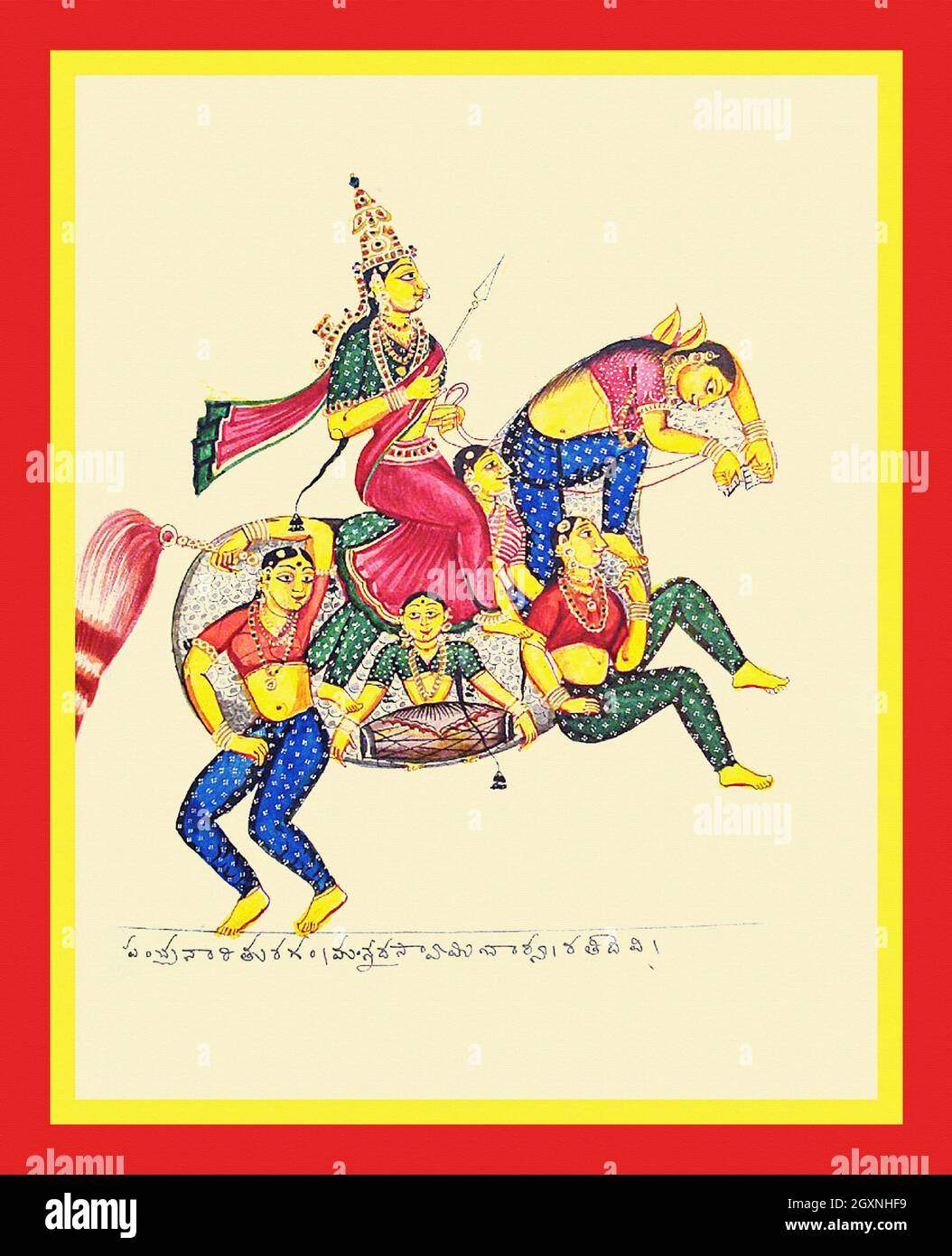
The Allure Of The Lust Goddess: Exploring The Mythos And Modern Interpretations
**The concept of the "Lust Goddess" has captivated human imagination for centuries, intertwining themes of desire, power, and femininity.** In various cultures, goddesses embodying lust and passion have played significant roles in mythology and religion, often symbolizing the duality of love and lust. This article delves into the origins, cultural significance, and modern interpretations of Lust Goddesses, shedding light on their impact on society and individual psyche.
Throughout history, the archetype of the Lust Goddess has manifested in numerous forms, from ancient deities to contemporary figures in popular culture. These powerful female figures not only represent sexual desire but also challenge societal norms surrounding femininity and sexuality. By understanding the complexities of these goddesses, we can gain insights into the human experience and the multifaceted nature of desire.
In this comprehensive exploration, we will examine key figures associated with lust, analyze their significance in various cultures, and discuss how these interpretations have evolved over time. Join us as we embark on a journey through mythology, art, and modern society, uncovering the enduring allure of the Lust Goddess.
Table of Contents
- 1. The Origins of Lust Goddesses
- 2. Key Figures in Lust Mythology
- 3. The Cultural Significance of Lust Goddesses
- 4. Lust Goddesses in Art and Literature
- 5. Modern Interpretations of Lust
- 6. The Psychological Impact of the Lust Goddess Archetype
- 7. Controversies Surrounding Lust Goddesses
- 8. Embracing the Power of the Lust Goddess
1. The Origins of Lust Goddesses
The origins of Lust Goddesses can be traced back to ancient civilizations, where they were revered for their embodiment of sexual power and fertility. These goddesses often played crucial roles in religious rituals and societal structures. Some key points regarding their origins include:
- Ancient Sumerian goddess Inanna, associated with love, war, and sexuality.
- Hindu goddess Kali, who represents destruction and rebirth, often linked to sexuality.
- Greek goddess Aphrodite, a symbol of love, beauty, and sexual desire.
2. Key Figures in Lust Mythology
Several prominent figures embody the characteristics of the Lust Goddess across different cultures. Each of these deities offers unique insights into the nature of desire and femininity:
Aphrodite: The Greek Goddess of Love
Aphrodite stands as one of the most well-known Lust Goddesses, celebrated for her beauty and ability to evoke desire. She symbolizes not only romantic love but also physical attraction. Her myths often illustrate the complexities of love, including jealousy and betrayal.
Inanna: The Sumerian Goddess of Love and War
Inanna, revered in ancient Sumer, embodies both love and war, showcasing the duality of desire. Her journey to the Underworld demonstrates the transformative power of sexuality and the consequences of desire.
Kali: The Fierce Hindu Goddess
Kali represents the darker aspects of femininity and sexuality. Often depicted in a fearsome form, she challenges traditional notions of female beauty and highlights the power of female sexuality in a patriarchal society.
3. The Cultural Significance of Lust Goddesses
The Lust Goddess archetype holds profound cultural significance, often reflecting societal attitudes towards sexuality, femininity, and power dynamics. Key aspects include:
- Lust Goddesses challenge societal norms surrounding women's sexuality.
- They often serve as symbols of empowerment in patriarchal cultures.
- Art and literature featuring Lust Goddesses influence cultural perceptions of desire.
4. Lust Goddesses in Art and Literature
Throughout history, Lust Goddesses have inspired countless works of art and literature, serving as muses for artists and writers. Their depictions often evoke themes of love, power, and sexuality:
Artistic Representations
From classical sculptures to modern paintings, Lust Goddesses have been depicted in various artistic forms, each reflecting the cultural values of their time. Noteworthy examples include:
- Sandro Botticelli’s "The Birth of Venus" portraying the beauty of Aphrodite.
- Frida Kahlo’s self-portraits that explore themes of sexuality and identity.
Literary Interpretations
In literature, Lust Goddesses often symbolize the complexities of love and desire. Authors have used these figures to explore themes of passion, betrayal, and empowerment. Examples include:
- Margaret Atwood's "The Handmaid's Tale," which critiques societal control over female sexuality.
- Midnight's Children by Salman Rushdie, where various characters embody aspects of the Lust Goddess.
5. Modern Interpretations of Lust
In contemporary society, the interpretation of Lust Goddesses has evolved, reflecting changing attitudes towards sexuality and femininity. Key trends include:
- Reclamation of sexual agency by women through various movements.
- Representation of Lust Goddesses in media, including films and music.
- The emergence of feminist interpretations of traditional myths.
6. The Psychological Impact of the Lust Goddess Archetype
The Lust Goddess archetype holds significant psychological implications, influencing how individuals perceive their own sexuality and desires. Some insights include:
- The archetype can empower women to embrace their sexuality without shame.
- It challenges traditional gender roles and expectations.
7. Controversies Surrounding Lust Goddesses
The representation of Lust Goddesses is not without controversy, often sparking debates about sexuality, objectification, and cultural appropriation. Key points of contention include:
- The risk of objectifying female figures in popular culture.
- Discussions on cultural appropriation in modern interpretations of ancient deities.
8. Embracing the Power of the Lust Goddess
Embracing the power of the Lust Goddess can lead to a deeper understanding of one’s own desires and identity. Encouraging open discussions about sexuality and challenging societal norms can empower individuals to take control of their narratives.
Conclusion
In conclusion, the Lust Goddess embodies the complexities of desire, femininity, and power across various cultures and eras. By exploring their origins, cultural significance, and modern interpretations, we gain valuable insights into the human experience. We encourage readers to reflect on their own perceptions of desire and sexuality, and to engage in conversations that challenge societal norms.
We invite you to leave your thoughts in the comments below, share this article with others, and explore more content on our site to deepen your understanding of these powerful archetypes.
Penutup
Thank you for joining us on this exploration of the Lust Goddess. We hope this article has provided you with valuable insights and a greater appreciation for the enduring allure of these powerful figures. We look forward to welcoming you back for more intriguing discussions and explorations in the future.