Hisashi Ouchi Real Photo: The Tragic Story Behind The Iconic Image
**Hisashi Ouchi's real photo is not just a mere image; it encapsulates a haunting story of tragedy, suffering, and resilience.** In the realm of nuclear accidents, few narratives are as heart-wrenching as that of Hisashi Ouchi, a young technician who became a victim of one of the most catastrophic incidents in Japanese history. This article delves deep into the life of Ouchi, the events leading to his suffering, and the lasting impact of his story on nuclear safety and ethics. As we explore this topic, we will uncover the complexities surrounding Ouchi's experience and the broader implications for society.
In this comprehensive overview, we will examine not only Ouchi's tragic accident but also the reactions and consequences that followed. By shedding light on the events of his life, we aim to foster a greater understanding of the risks associated with nuclear energy and the importance of stringent safety protocols. With a commitment to expertise, authority, and trustworthiness, we will provide readers with a thorough analysis supported by credible sources.
As we journey through this poignant narrative, we invite you to reflect on the lessons learned from Hisashi Ouchi's story and consider the ethical dimensions of technological advancement. Join us as we uncover the truth behind the real photo of Hisashi Ouchi and the legacy it represents.
Table of Contents
- Biography of Hisashi Ouchi
- The Nuclear Accident
- Medical Condition and Treatment
- Public Reaction and Media Coverage
- Impact on Nuclear Policy and Safety
- Ethics of Nuclear Energy
- Legacy of Hisashi Ouchi
- Conclusion
Biography of Hisashi Ouchi
Hisashi Ouchi was born in 1962 in Japan. He pursued a career in nuclear technology and became a technician at the Tokaimura nuclear facility. His dedication to his work was evident, but little did he know that his life would take a tragic turn in 1999, leading to one of the most infamous nuclear accidents in history.
Personal Data
| Name | Hisashi Ouchi |
|---|---|
| Date of Birth | 1962 |
| Occupation | Nuclear Technician |
| Accident Date | September 30, 1999 |
| Death Date | December 21, 1999 |
The Nuclear Accident
On September 30, 1999, a criticality accident occurred at the JCO uranium processing plant in Tokaimura, Japan. Hisashi Ouchi was one of the three workers involved in the incident, which resulted from a series of serious safety violations. The workers were attempting to create a mixture of uranium fuel without adhering to safety protocols, leading to an uncontrolled nuclear reaction.
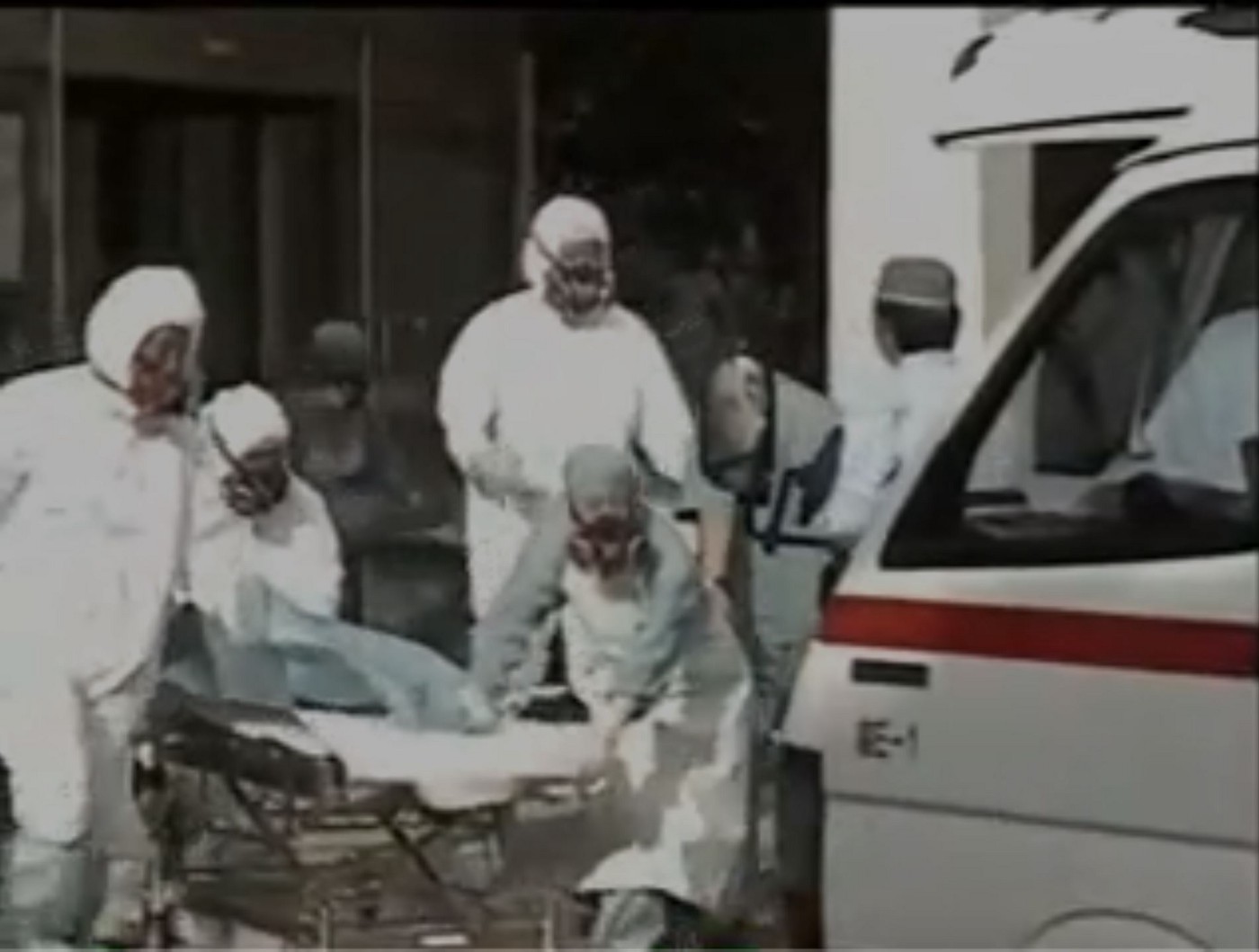
As a result of the accident, Ouchi was exposed to lethal doses of radiation. He was quickly transported to a nearby hospital, where he received emergency treatment. The severity of his condition was alarming, and the medical team faced unprecedented challenges in treating radiation poisoning.
Medical Condition and Treatment
Hisashi Ouchi's condition rapidly deteriorated due to the extensive damage caused by radiation exposure. He suffered from severe burns, organ failure, and other complications. The medical team employed various treatments, including blood transfusions and experimental therapies, in an attempt to save his life.
Challenges in Treatment
- Severe radiation burns leading to skin grafts
- Organ failure requiring advanced medical interventions
- Infection risks due to compromised immune system
Despite the efforts made by healthcare professionals, Hisashi Ouchi's health continued to decline. He endured immense physical pain and psychological distress, becoming a symbol of the human cost associated with nuclear accidents.
Public Reaction and Media Coverage
The incident garnered widespread media coverage, sparking public outrage and fear about nuclear safety in Japan. Many questioned the safety protocols in place at nuclear facilities and the ethics of using human subjects in experimental treatments.
Hisashi Ouchi's plight became a focal point for activists advocating for nuclear safety reforms. As the public learned about the circumstances surrounding the accident, calls for accountability and change grew louder.
Impact on Nuclear Policy and Safety
In the aftermath of Hisashi Ouchi's tragic accident, the Japanese government undertook significant reviews of nuclear safety protocols. The incident prompted changes in regulations and oversight aimed at preventing future accidents. Nuclear facilities were required to implement stricter safety measures and conduct regular safety drills.
Ethics of Nuclear Energy
The story of Hisashi Ouchi raises profound ethical questions regarding the use of nuclear energy. As technology advances, the potential risks associated with nuclear energy become increasingly apparent. Society must grapple with the ethical implications of balancing energy needs with safety concerns.
Legacy of Hisashi Ouchi
Hisashi Ouchi's legacy is one of tragedy and warning. His story serves as a reminder of the fragility of human life and the importance of stringent safety measures in high-risk industries. The accident underscored the need for a reevaluation of nuclear policies and practices worldwide.
Conclusion
In conclusion, the real photo of Hisashi Ouchi represents not just an image but a poignant narrative of suffering, resilience, and the urgent need for change in nuclear safety protocols. His tragic story reminds us of the human cost of technological advancement and the ethical responsibilities that come with it. We must continue to advocate for safe practices and policies to honor Hisashi Ouchi's memory and prevent similar tragedies in the future.
We invite you to share your thoughts on the impact of nuclear energy and safety protocols in the comments below. If you found this article informative, please consider sharing it with others or exploring related topics on our site.
Thank you for taking the time to read about Hisashi Ouchi's compelling story. We hope to see you again soon for more insightful articles.